

Picture this: a parent hovering like a helicopter, ready to swoop in at a moment’s notice. It sounds amusing, doesn’t it? But helicopter parenting is no laughing matter. This parenting style, defined by excessive involvement and oversight, can leave its mark on children and their development. So, how do you recognize helicopter parenting in action? And what are the signs you might be guilty of it? Let’s jump into the quirky, yet enlightening world of helicopter parenting examples. Buckle up, because this will be both informative and entertaining.
Understanding Helicopter Parenting
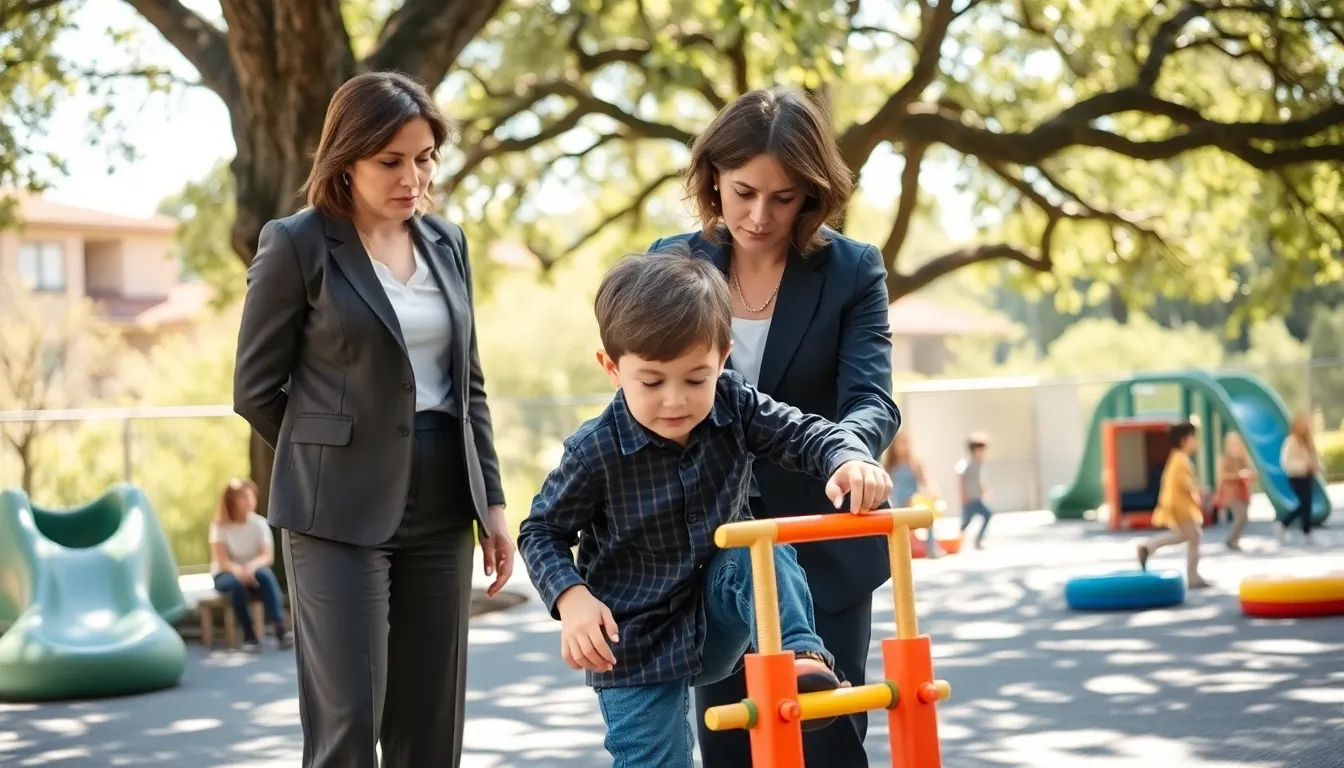
Helicopter parenting is a term used to describe the style of parenting where parents are overly focused on their children, often to the detriment of their independence. It’s as if these parents can’t resist the urge to swoop down and intervene at every minor bump in the road. The term was popularized in the early 2000s, and since then, it has been used to characterize a growing trend in modern parenting. While it may come from a place of love, this parenting style can inhibit children from developing essential life skills, including problem-solving and resilience.
The origins of this parenting trend can often be traced back to several factors. Societal pressures, fear of failure, and the desire to protect children from perceived dangers are just a few influencers. Parents may think they are safeguarding their children from hardship, but in reality, they might be inadvertently stifling their growth.
Common Examples of Helicopter Parenting
Now that the groundwork has been laid, it’s time to explore some classic examples of helicopter parenting. Readers may start recognizing these scenarios all too well:
Over-Scheduling Activities
Many helicopter parents fill their child’s calendar with activities, leaving no room for free time. Whether it’s joining a dozen sports teams or attending multiple extracurricular classes, the intention is to provide opportunities. But, this often leads to burnout and stifled creativity.
Constant Monitoring
Using technology to track their child’s location and activities, some parents take monitoring to a new level. Apps that report where children are at all times may provide peace of mind, but they can create a culture of mistrust.
Intervening in Conflicts
Whenever there’s a disagreement at school or in social settings, helicopter parents often step in immediately. Instead of allowing children to resolve their conflicts, they swoop in to handle everything, which can be disempowering for the child.
Micromanaging Schoolwork
Parents might take over their child’s assignments or projects, pushing them to achieve perfection. Rather than allowing students to learn from their mistakes, helicopter parents often do the work themselves to ensure top grades.
Protecting from All Failure
Instead of letting children experience failure in safe environments, some parents shield them from any potential disappointment. This could manifest as advocating for their child’s position on a sports team or lobbying for grade reconsiderations. While it’s noble to support, constantly stepping in can rob children of essential lessons.
Impact of Helicopter Parenting on Children
The repercussions of helicopter parenting are multifaceted and often detrimental. Children raised under this umbrella can face a variety of outcomes:
Lack of Independence
Being excessively sheltered leads to a distinct lack of independence. Children may struggle to make decisions or solve problems because they are accustomed to their parents stepping in.
Decreased Confidence
When children do not have the opportunity to tackle challenges on their own, their confidence can take a significant hit. They may grow to doubt their abilities, leading to a decreased sense of self-worth.
Anxiety and Fear of Failure
Helicopter parenting can foster a culture of perfectionism. Children may become anxious about making mistakes because they’ve been conditioned to fear failure rather than embrace it as a learning opportunity.
Strained Parent-Child Relationships
Constant intervention can strain relationships, leading to resentment from children. They may feel suffocated, which can result in rebellion or distance in the parent-child dynamic.
Strategies for Balancing Involvement
It’s essential to strike a balance between involvement and independence. Here are some effective strategies for parents:
Foster Independence Gradually
Encourage children to tackle challenges on their own, but offer support rather than direct intervention. Start with small tasks and gradually increase responsibilities.
Allow for Natural Consequences
Let children experience the natural consequences of their actions, whether positive or negative. This approach fosters resilience and decision-making skills.
Set Boundaries
Establish clear boundaries around involvement. Parents should communicate their willingness to step in if serious issues arise but encourage children to seek resolutions on their own first.
Promote Open Communication
Encourage children to express their feelings and opinions. This open communication nurtures trust and a better understanding between parents and children, without hovering over them.
Case Studies of Helicopter Parenting
Sometimes real-life examples shed light on concepts that might seem abstract. Here are two case studies that illustrate the nuances of helicopter parenting:
Case Study 1: The Overzealous Advocate
In a well-documented scenario, a parent actively lobbied coaches and administrators to secure her child’s spot on the varsity soccer team. While advocacy can be commendable, this behavior alienated not just teammates but also the child, who felt immense pressure to perform well and live up to expectations.
Case Study 2: The Academic Overseer
Another compelling case involved a parent who meticulously reviewed every assignments assignment and project. The child excelled academically but lacked the skills to study independently or prioritize their tasks. When it came time for college, the student struggled to manage coursework without parental oversight.
When Is Helicopter Parenting Beneficial?
Believe it or not, there are situations where a little extra hovering might actually help:
Safety Concerns
In situations where safety is a genuine concern, crossing busy streets or connecting with strangers, protective measures can be crucial. Parents should prioritize safety while gradually allowing their child to navigate the world in controlled environments.
Special Needs
For children with special needs, helicopter parenting can sometimes be beneficial. Advocating for necessary support and ensuring they receive proper resources can pave the way for success. Here, the key is to tailor the level of involvement based on individual needs rather than adopting a one-size-fits-all approach.